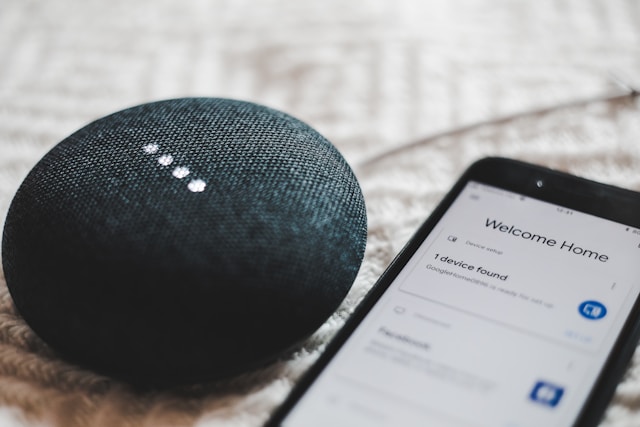
Smart homes can be magical. They save you time, reduce stress, and make daily life feel smoother. But they only work if planned well. In India, where apartments, climate and connectivity vary widely, getting the basics right makes the difference between a seamless system and a frustrating jumble of gadgets. This guide pulls together practical, India-focused best practices so your smart home is reliable, secure and built to last.
1. Start with a clear plan
Before buying devices, list out what you want to achieve. Do you want comfort, security, energy savings or multi-room AV? Prioritise goals by impact and budget. In India, many homes benefit most from reliable climate control, smart lighting and secure remote access. Pick a pilot area, like living room lighting or a home office, and use that to validate choices before expanding.
2. Make network design a first priority
Most smart devices depend heavily on the network. A common cause of failed projects is WiFi that cannot handle dozens of devices. Invest in a quality router, ideally with mesh WiFi for larger homes or apartments with thick walls. Create a separate SSID for IoT devices and prioritise critical traffic with Quality of Service rules. Consider using a wired connection for critical devices like security cameras and controllers.
3. Choose the right protocols and compatibility
There is no single winner for every home. Z-Wave and Zigbee work well for low-power sensors, while WiFi is fine for cameras and speakers. KNX and wired solutions are great for new builds where long-term reliability matters. Prefer devices that support open standards or the emerging Matter protocol to avoid being locked into a single brand. Compatibility saves headaches later when you want to mix and match components.
4. Prefer professional grade control systems for whole-home installs
For a few smart bulbs, consumer apps are fine. For whole-home automation, choose a proven control system that centralises management. A single control system reduces the need to jump between multiple apps. Professional systems also offer better integration with AV, security and HVAC systems which is useful for demanding homes and multi-zone audio setups.
5. Think about power and electrical planning
Smart devices still rely on reliable power. Plan for UPS or surge protection for critical devices like controllers and gateways, especially in regions with frequent power fluctuations. During renovation or new construction, run extra conduits and consider a wired backbone for AV and key control points. Proper planning reduces the cost and disruption of upgrades later.
6. Security and privacy are non-negotiable
Smart homes are attractive targets for attackers if left unsecured. Use strong, unique passwords and change device default credentials. Segment your IoT network, enable two-factor authentication where available, and keep firmware updated. For Indian homes, local storage and local control reduce reliance on external cloud services and improve privacy.
7. User experience matters more than features
Don’t confuse complexity with capability. A family needs simple, reliable actions. Create clear scenes like “Good Morning”, “Away”, and “Movie Night” that bundle multiple actions. Label switches sensibly and ensure voice commands are intuitive. A system that reduces friction will actually get used.
8. Plan for scalability and maintenance
Your smart home will evolve. Choose devices and a control platform that receive updates and support expansion. Keep documentation: wiring diagrams, account credentials, and device lists. Use professional installers who provide handover documentation and basic training for the family. Regular maintenance checks prevent small issues from becoming major headaches.
9. Battery-powered sensors: placement and life
Battery sensors are convenient but their placement is key. Use motion sensors in hallways and human-traffic areas, and place door/window sensors at entry points. Monitor battery levels remotely and choose sensors known for long battery life. In India’s climate, humidity can impact battery life, so pick quality devices and plan replacements into your maintenance cycle.
10. Energy efficiency and practical automation
Think of automation that pays back. Automated lighting, presence-based HVAC control and shading reduce energy bills. Use schedules and occupancy-based scenes to avoid wasting energy. Coordinating curtains and AC based on sun path can significantly reduce cooling loads during summer months.
11. Choose the right installer
Not all integrators are equal. Look for experience in similar projects, transparent pricing and good references. Ask for post-install support and software maintenance plans. A reliable partner will provide warranties, documentation and responsive service when issues arise.
12. Keep user training simple
Hand over a short, clear guide for daily use. Show the family the most common actions, how to trigger scenes, and who to call if something fails. A one-page cheat sheet often works better than complicated manuals. This simple step ensures adoption and reduces frustration.
Common pitfalls to avoid
- Buying too many devices at once without a plan.
- Choosing low-cost devices that lack support or updates.
- Ignoring network quality and having all devices on a single weak WiFi.
- Not documenting account details and device locations.
Simple starter kit for Indian homes
If you are unsure where to begin, start with this phased approach:
- Reliable router with mesh if needed.
- Smart lighting in living and bedroom areas with tunable white.
- One smart thermostat or AC controller for key zones.
- Security camera at main entry and a smart lock or sensor.
- Smart speaker or hub that integrates your chosen ecosystem.
Why this matters long term
When done right, a smart home becomes invisible in the best possible way. It simply works. It makes mornings easier, protects your home and saves energy without daily effort. Thoughtful planning and a focus on network, security and scalability ensure the smart home you build today will still be useful and upgradeable a decade from now.
FAQ
Do I need wired wiring for a smart home?
Not always. Many homes can use wireless devices effectively, but wired backbones are recommended for whole-home reliability, especially for AV and critical controls.
What is the best protocol for Indian homes?
There is no single best protocol. Choose based on use-case: Zigbee/Z-Wave for sensors, WiFi for cameras, and KNX or wired solutions for new builds. Contact us to get the best recommendation for you.
How do I secure my smart home?
Use strong passwords, segment IoT devices on a separate network, update firmware and use local controllers when possible to reduce cloud dependency.
Can I mix brands?
Yes. Prefer open standards or Matter-compatible devices to ensure interoperability. Professional integrators can bridge different ecosystems reliably.
What should I expect for maintenance?
Expect occasional firmware updates, periodic battery replacements for sensors, and annual network checks. A good integrator will provide support plans.
Sources
- Smart home best practices and planning. View Source
- Home automation protocols explained. View Source
- Network planning for smart homes. View Source
- Energy-saving automation strategies. View Source
- Security best practices for IoT devices. View Source